



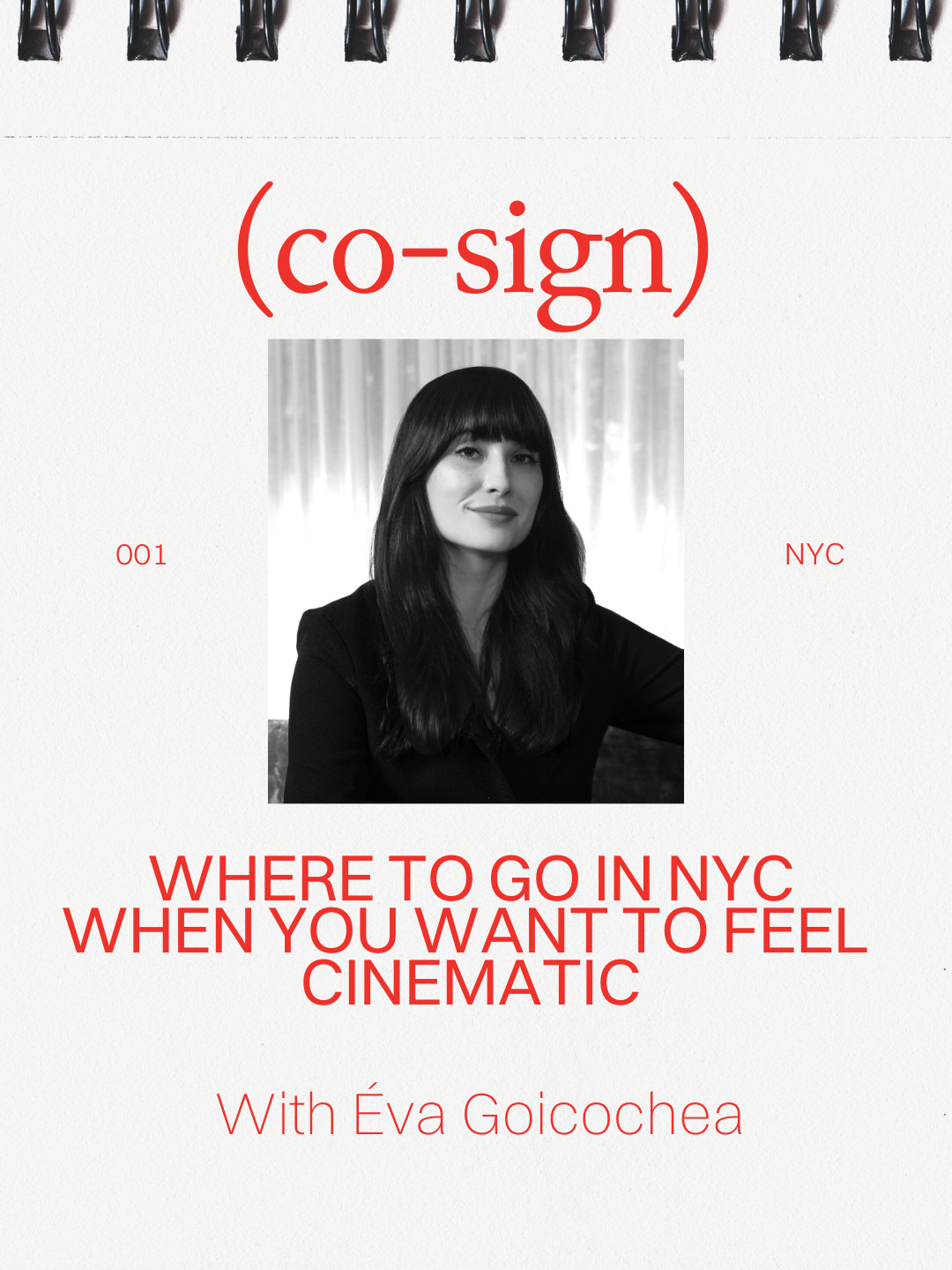
Éva Goicochea’s New York isn’t subtle. An architecture and history obsessive disguised as someone who “just likes a beautiful place,” she gravitates toward dramatic spaces with a distinct point of view: sculpture gardens, Beaux-Arts dining rooms, and Victorian glasshouses.
That design-forward lens tracks. In 2018, Goicochea founded Maude, the minimalist sexual wellness brand whose sculptural objects — some of which have even been sold at the Louvre — occupy the space between form and function.
For Co-Sign Vol. 001, she shares the places in New York that make the city feel cinematic.
THE CO-SIGNS
Vol. 001: Éva Goicochea
Where to go in NYC when you’re feeling cinematic, according to Eva.
Noguchi Museum Garden, Long Island City
Basalt sculptures and raked gravel at Noguchi’s 1985 industrial sanctuary, a quiet reset that makes the rest of Queens feel like static.
The Albertine, Upper East Side
Stanford White’s 1902 mansion and that hand-painted zodiac ceiling, flipping through glossy French art books like you’ve inherited old money taste.
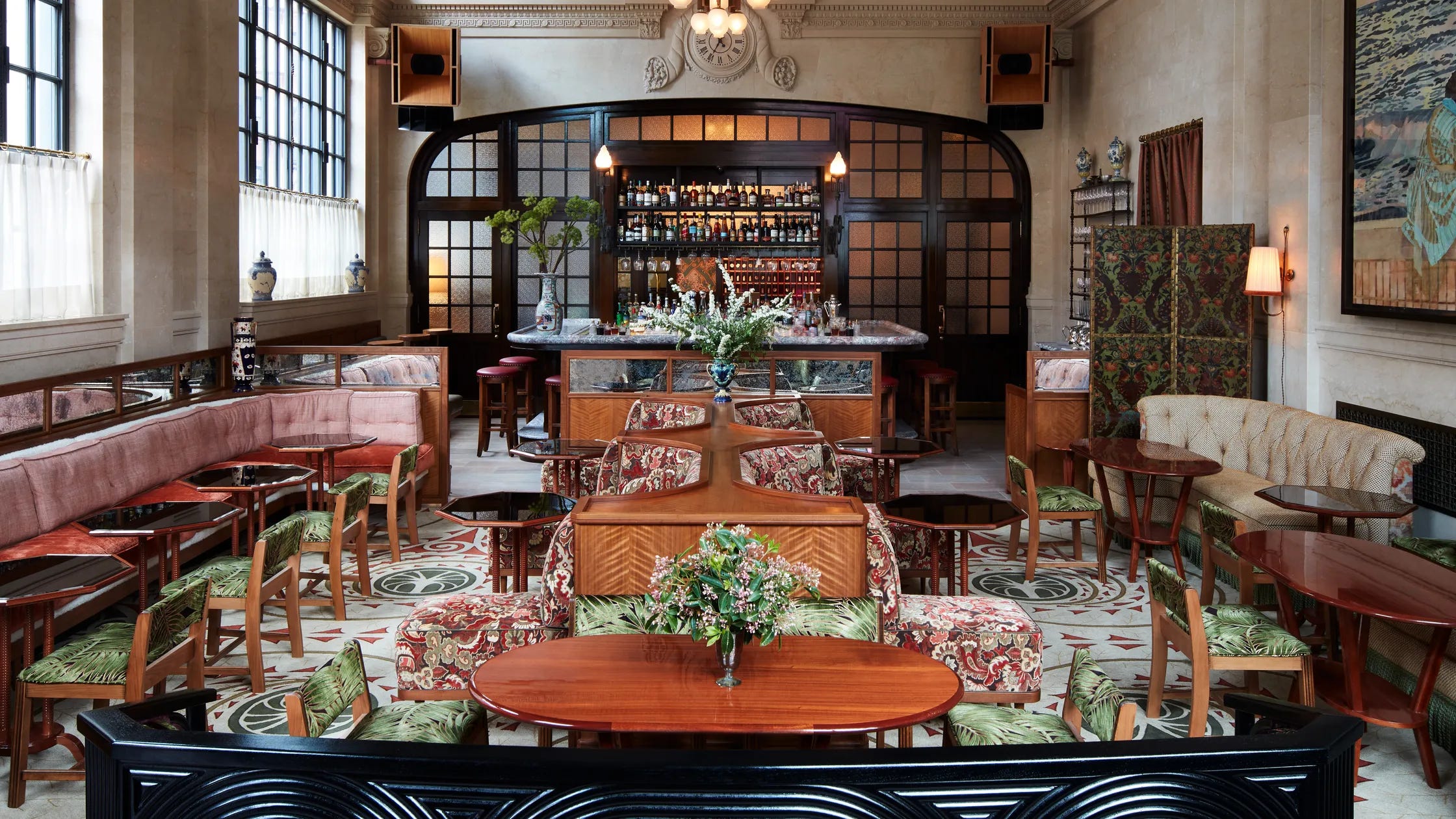
Swan Room, Chinatown
Oysters under the limestone arches of the 1912 Jarmulowsky Bank, dinner that feels faintly ecclesiastical and deeply downtown.
New York Botanical Garden, Bronx
The 1902 Victorian glass conservatory during the Orchid Show, humid air and tropical excess while winter sulks outside.
The View, Times Square
New York’s last revolving restaurant, 1985 Jet Age optimism spinning Times Square into something almost civilized.
Metropolitan Opera House Lobby, Lincoln Center
Travertine, Swarovski chandeliers, and intermission people-watching that rivals whatever’s happening on stage.
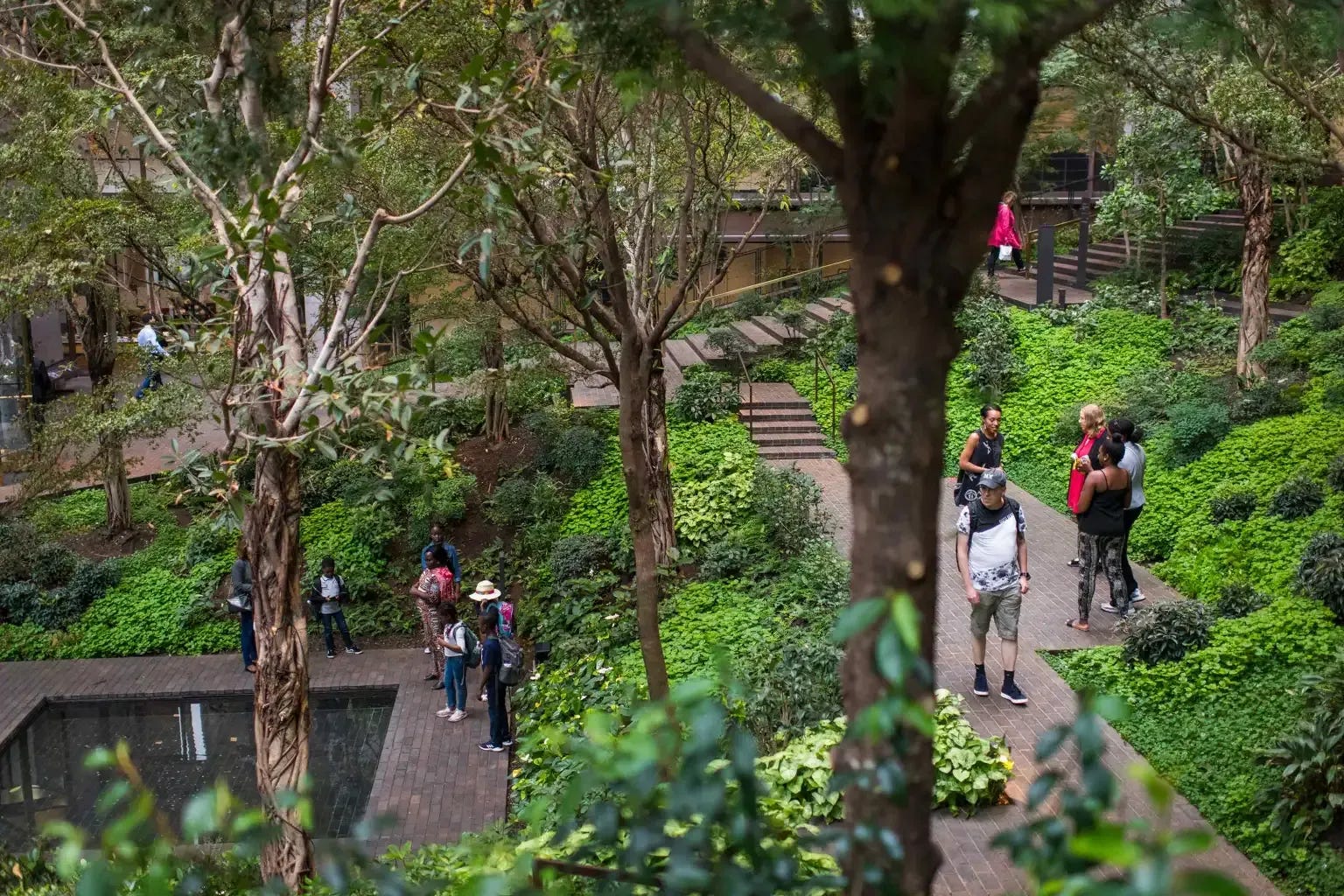
Ford Foundation Garden, Midtown East
A 1967 modernist jungle tucked inside a glass box on 42nd Street, corporate America accidentally building paradise.
The Grill, Midtown
Mies van der Rohe’s 1958 Seagram Building and Dover sole carved tableside, International Style with a side of glamour.
Green-Wood Cemetery, Greenwood Heights
Gothic gates from 1861 and sunset at Battle Hill, mortality framed like a very chic landscape painting.
Experimental Cocktail Club, Chinatown
Up a narrow staircase in a 19th-century building, shadowy corners and a drink that tastes like someone obsessed over it.
TWA Hotel, JFK Airport
Eero Saarinen’s 1962 Flight Center and that sunken red conversation pit, Jet Age fantasy without ever boarding a plane.
The Met, Upper East Side
Lunch in the Lansdowne Dining Room overlooking Hunt’s 1902 facade, then golden hour at the Temple of Dendur, culture and indulgence in one sweep.
The Beekman, Financial District
An 1883 Victorian atrium stacked nine stories high, cast iron and candlelight that make downtown feel conspiratorial.
Argosy Book Store, Midtown East
Family-owned since 1925, creaking wooden floors and glass cases of rare maps that make Manhattan feel archival.
New-York Historical Society, Upper West Side
Founded in 1804 and still keeping receipts, portraits and city relics that remind you this place has always been dramatic.
For a Google map of Eva’s NYC, click here.
THE CITY INTERVIEW
How did you end up in NYC and what made you stay?
I went to college here and always had a sense I would come back. New York felt unfinished to me in a way that was motivating. Ten years ago, when it was time to properly launch Maude, Ian and I made a decisive move. We sold our house in Los Angeles, packed up our life, and relocated so I could build the company where the infrastructure actually existed.
New York is where the buyers, editors, and capital all intersect. If you’re building a consumer brand at the intersection of design and commerce, the conversations are happening here in real time.
On your best days, what does living here feel like?
On my best days, it feels cinematic and compressed. A morning in a sculpture garden in Queens. Lunch in a Beaux-Arts dining room. A hidden atrium jungle on 42nd Street. Opera lobby people-watching under chandeliers. The density of experience makes a single day feel expansive. You don’t need a flight to feel transported. You just need to walk.
How has living in NYC shaped your sense of self, your creative practice, or your worldview?
New York sharpens you. It rewards clarity and punishes hesitation. Living here has made me more decisive and more determined, even in the middle of February when the lingering snow on the ground is disgustingly dirty, and you have to look up to see beauty.
From a design perspective, you absorb architectural and historical lineage just by moving through it: Modernism, Gilded Age excess, industrial grit, constant reinvention. The city insists on ambition. It also teaches you that ideas survive here because they are strong, not because they are comfortable. There is a 15-minute movie at The New York Historical Society about New York from the 1600s until now. Every time I watch it, I walk out even more excited to be a New Yorker.
What’s one thing people consistently misunderstand or get wrong about NYC, and what do they miss out on because of it?
People mistake the intensity for coldness. They see the speed, the noise, the price tag, and assume it’s transactional. What they miss is the depth. The quiet public gardens tucked inside corporate towers. The centuries-old, family-owned bookstores that outlived every trend cycle. The neighborhoods that turn into villages if you commit to walking them. New York rewards attention. If you only skim it, it will skim you back. It is demanding, but it is not indifferent.
Describe the soul of NYC in three words.
Ambitious. Layered. Electric.
CO-SIGN WORLDWIDE
The sexiest hotel you’ve ever stayed at:
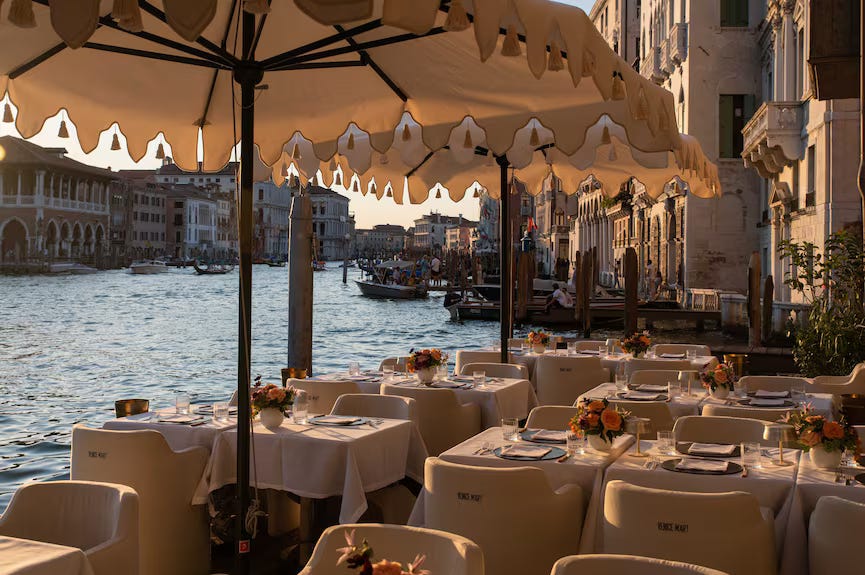
Venice Venice. Set inside the 13th-century Palazzo Ca’ da Mosto, one of the oldest palazzi on the Grand Canal, its raw plaster walls, contemporary art, and candlelit corridors feel equal parts Renaissance and radical. Water moves beneath your windows at night, and the whole place hums with that distinctly Venetian tension between grandeur and decay.
The most beautiful place you’ve ever visited:
The Dolomites. Pale limestone peaks that glow pink at sunset, alpine air so clean it feels medicinal, and villages that look staged but aren’t. It’s dramatic without being loud, vast but somehow intimate. The scale of it recalibrates you.
Overrated destination:
Amsterdam. The canals are undeniably beautiful, but the contrast between postcard charm and the late-night undercurrent can feel oddly dissonant.
Underrated destination:
Milan (though, after the Olympics, it might not be so underrated). Not that it’s not celebrated, but against Paris or Rome, it has rationalist lines and a kind of quiet design confidence that doesn’t beg to be photographed.
A destination, hotel, or experience still on your bucket list:
I’ve been to Japan, but not to Tokyo. What appeals to me is the neon and stillness, the cedar baths and the concrete galleries. It’s a place where every detail feels considered and nothing feels accidental.
A place you’ve gatekept — until now:
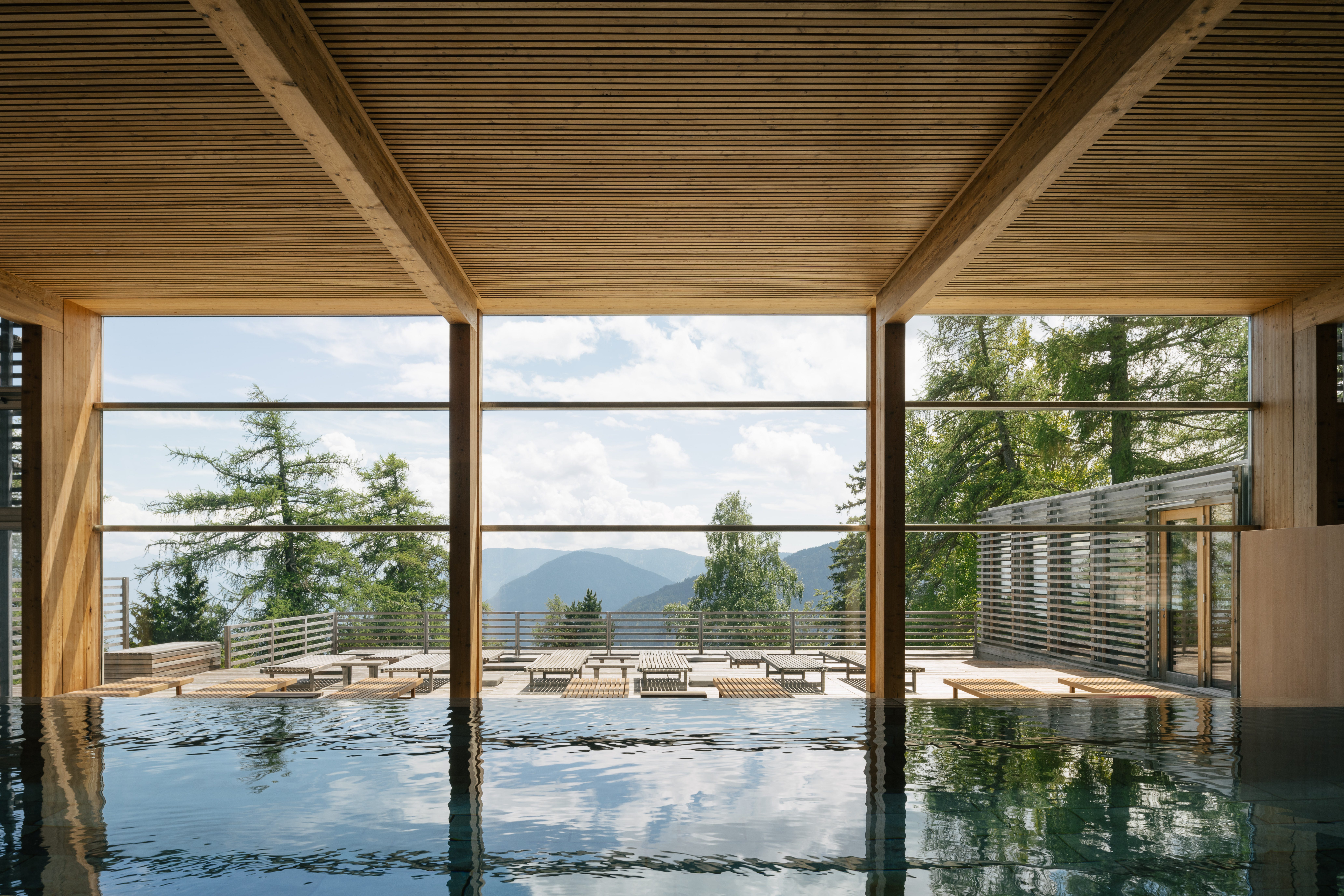
Vigilius Mountain Resort in the Dolomites. Perched above Lana and reachable only by cable car, this wood-and-glass modernist hideaway feels suspended between earth and sky. Between the brutal quiet, alpine air, and architecture that disappears into the mountain, it’s the rare place that actually slows you down.
The greatest city in the world right now:
New York, forever and always. No other city compresses this much architecture, ambition, culture, and friction into such tight geography.